

From Print to Practice: Start Your Stoic Journey.
About
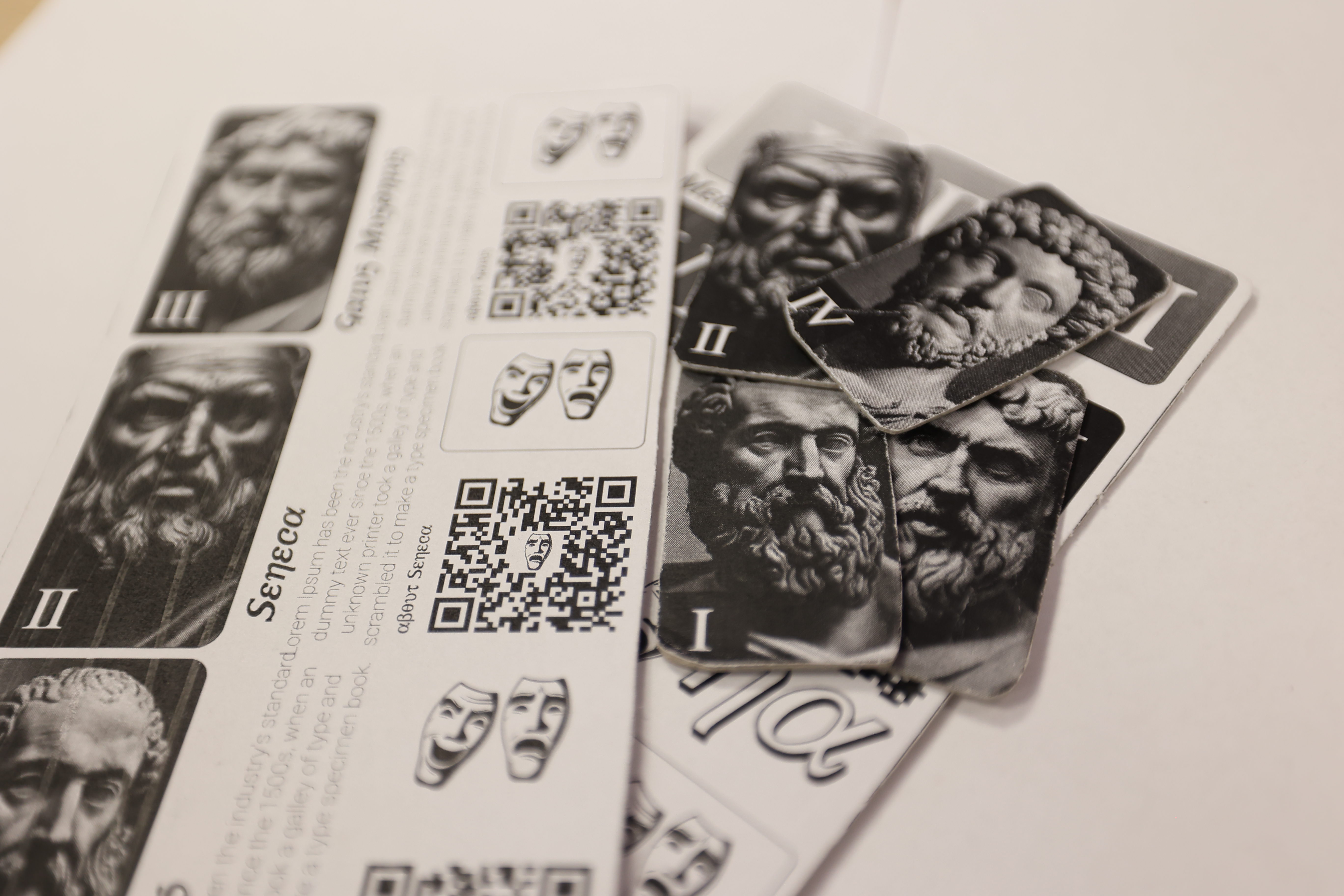
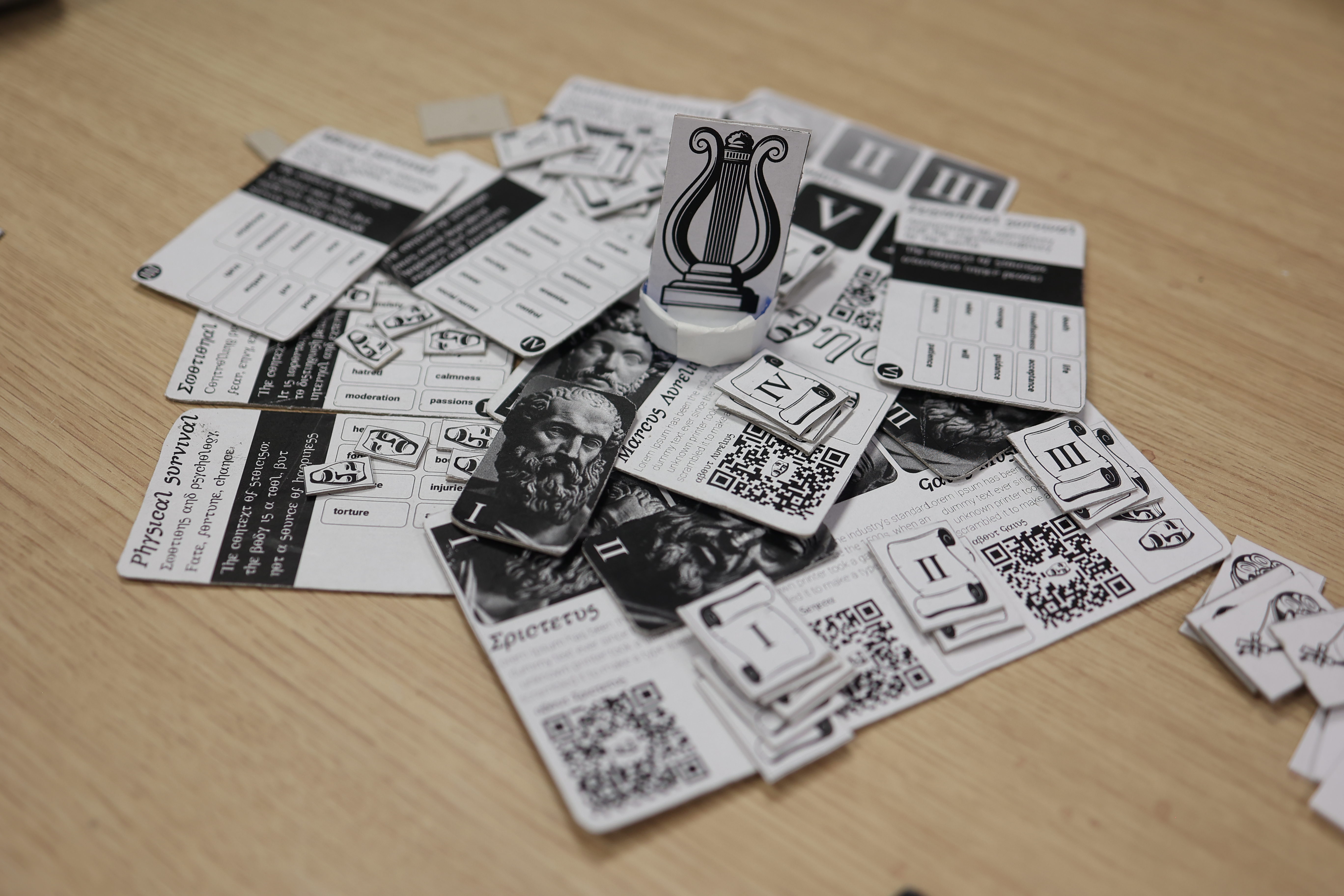
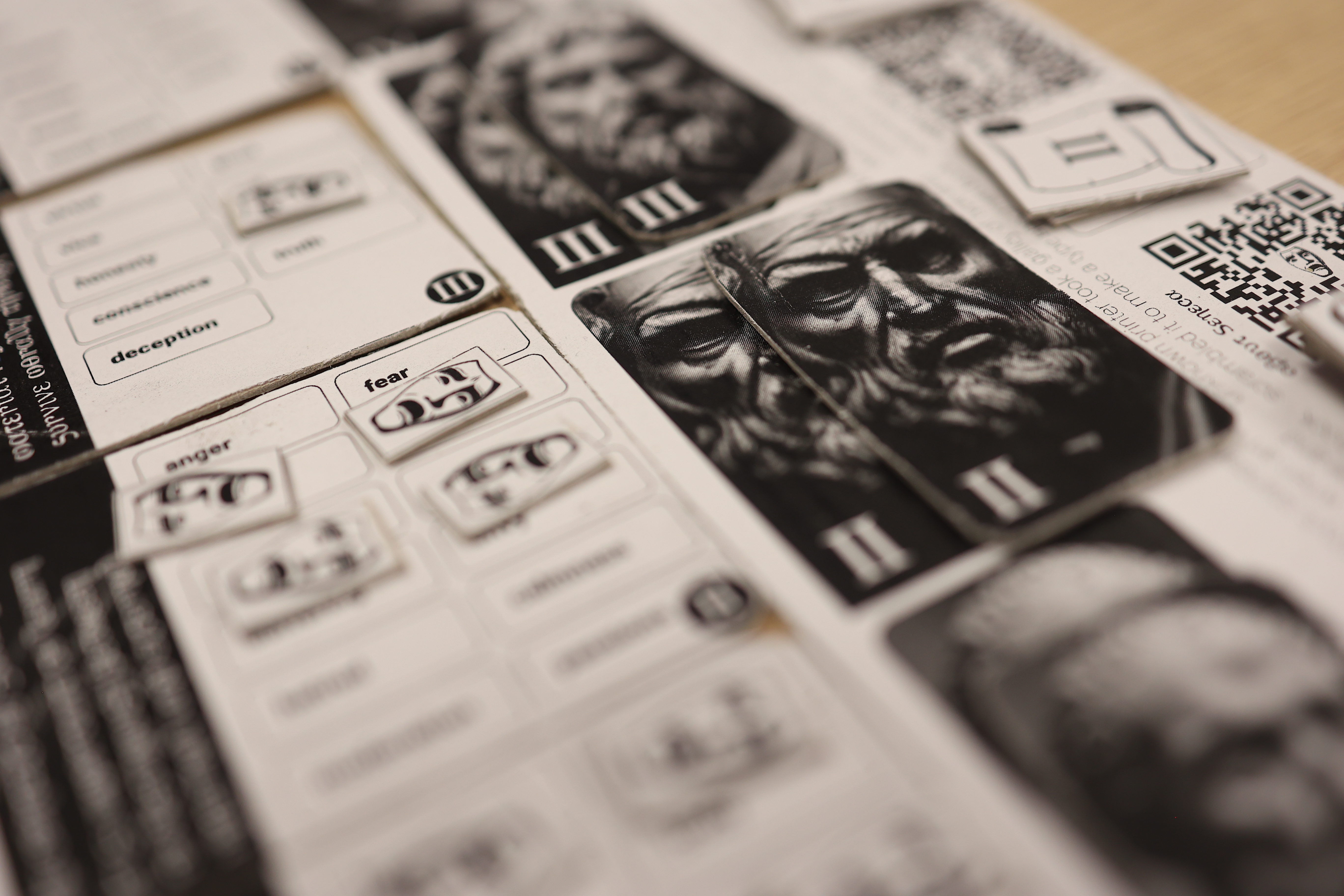
This educational tabletop game immerses you in the philosophy of Stoicism, turning
abstract ideas into practical experience through cards, challenges, and quotes from the
great Stoics. The game is complemented by a web application that deepens your knowledge,
provides interactive materials, and helps analyze the quotes, transforming the learning
process into an engaging and mindful journey.

Preview


50
Stoic Quotations
Dive into the authentic quotations of Stoic philosophers. Each quote is more than just words — it is wisdom tested by time.
4
Stoic Philosophers
Get to know the four key Stoics who left their mark on the history of Stoicism.
15
Fundamentals of Stoicism
Explore the fundamental concepts of Stoicism: the distinction between what is within our control and what is not, the value of virtue, the power of reason, and the importance of inner calm.
8
Stoic Practices
Stoicism is not just a philosophy, but a set of concrete practices that help manage emotions, accept the inevitable, and maintain inner balance.
Philosophers
During the game, you will become acquainted with the origins of Stoicism and the
thoughts of four key philosophers of this tradition: Seneca, Epictetus, Marcus
Aurelius, and Gaius Musonius Rufus.
Their texts and ideas form the foundation of the game’s mechanics and cards.
Their texts and ideas form the foundation of the game’s mechanics and cards.
The game mechanics are built around authentic quotations and philosophical ideas.
Through cards, challenges, and discussions, you gradually explore core Stoic
principles: the distinction between what is within our control and what is not, the
value of virtue, the power of reason, and the importance of inner calm. The game
combines learning with reflection on philosophical quotations.
ExploreSeneca
(01)
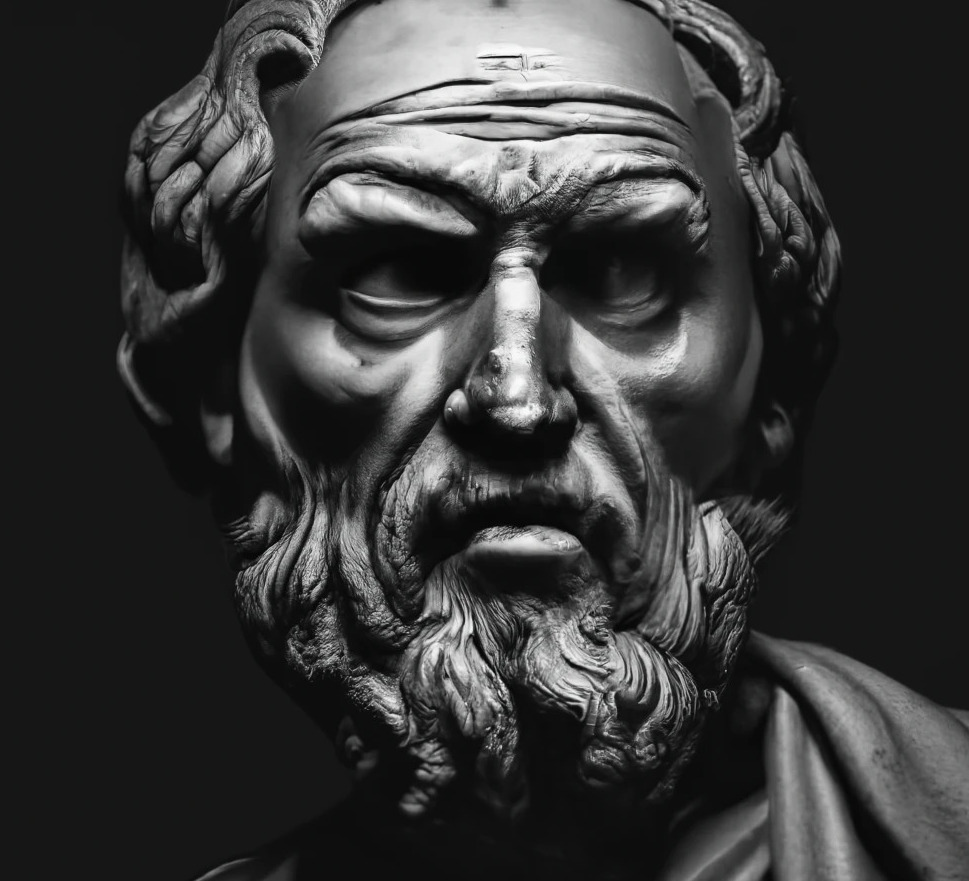
A Roman Stoic philosopher, writer, and statesman. His works focus on ethics, self-discipline, and the ability to remain calm in the face of fate.
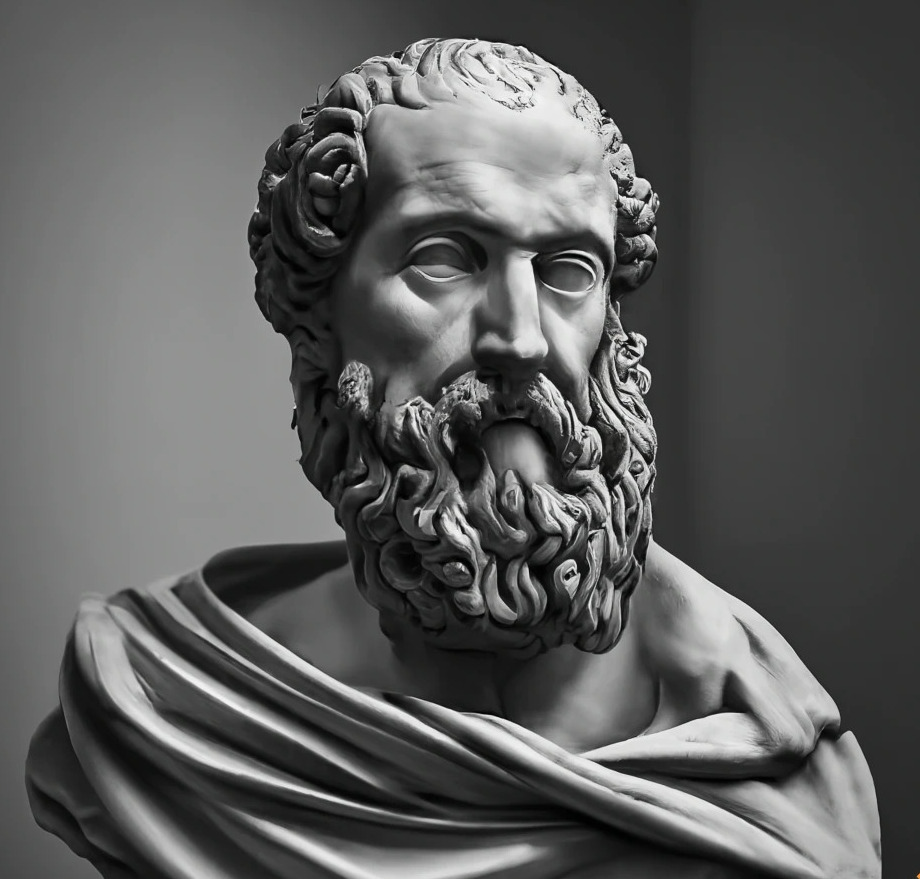
Epictetus
(02)
A former slave who became one of the most influential Stoic philosophers. He taught how to distinguish between what is within our control and what is not.
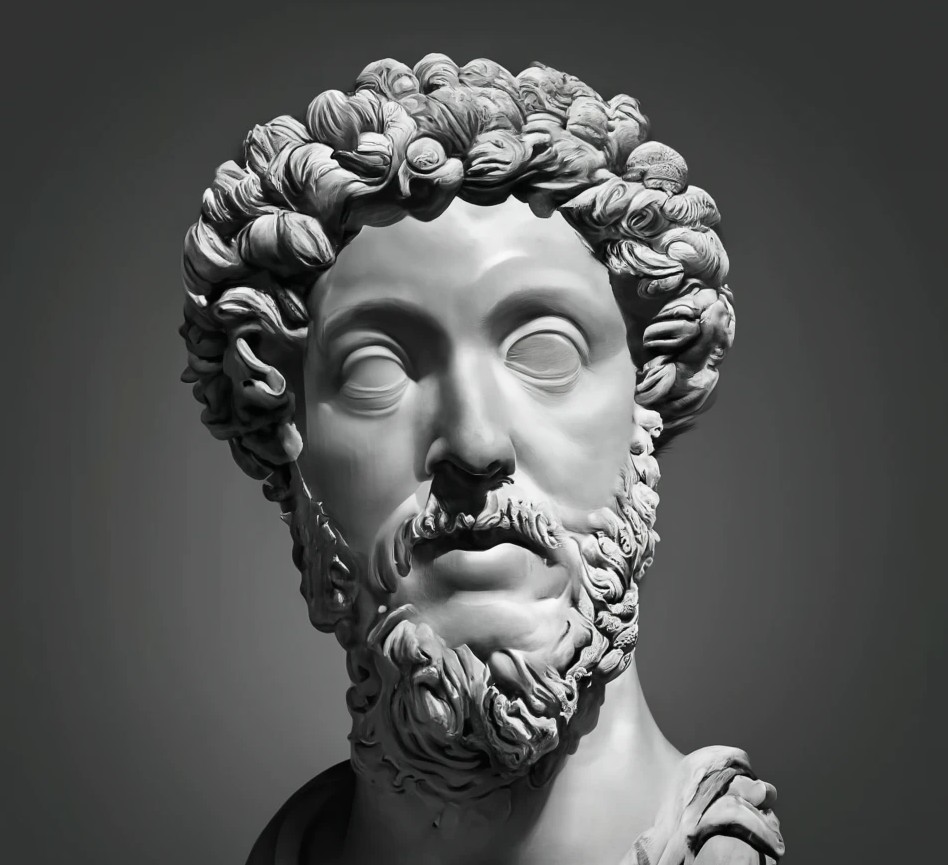
Marcus Aurelius
(03)
A Roman emperor and philosopher. His *Meditations* are a personal journal on duty, reason, and living in accordance with nature.
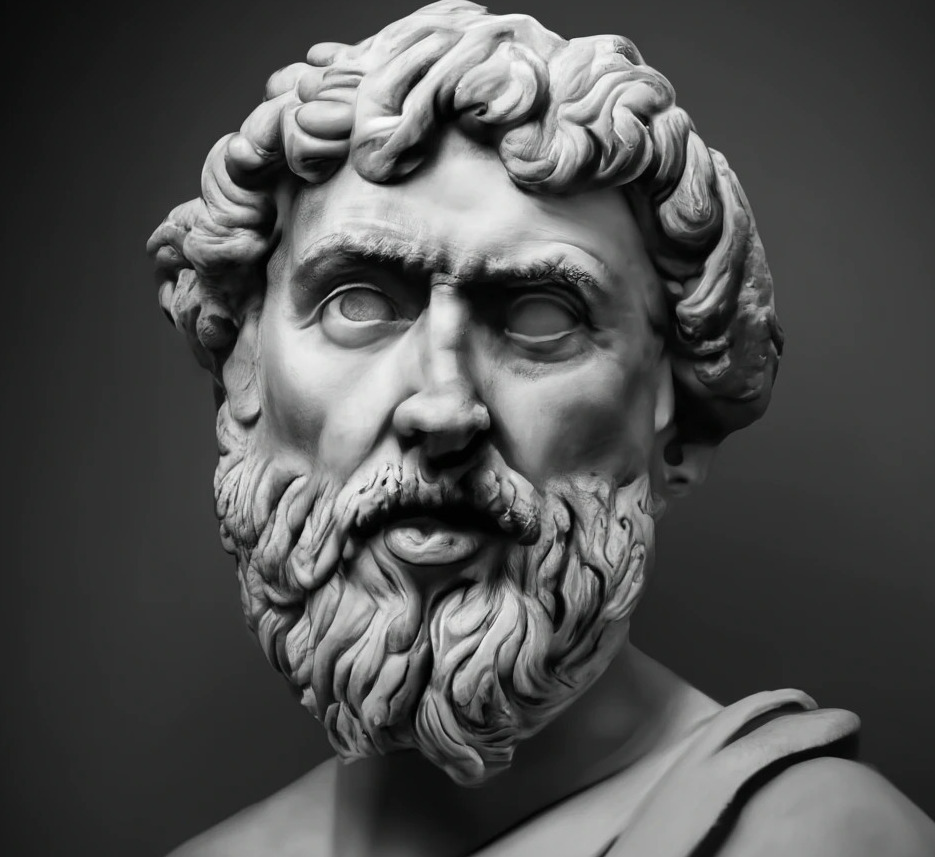
Gaius Musonius Rufus
(04)
The teacher of Epictetus and one of the strictest Stoics. He taught philosophy as a practice of everyday life and moral discipline.
Stoic Quotes
Tags list
body
health
illness
food
injuries
violence
torture
age
anger
fear
anxiety
joy
sadness
grief
suffering
envy
hatred
calmness
moderation
passions
virtue
good
vice
evil
honesty
justice
conscience
truth
deception
other people
friendship
family
people
other people's opinions
society
enemies
power
control
social norms
philosophy
mind
wisdom
truth
knowledge
learning
books
values
science
death
life
steadfastness
acceptance
courage
guidance
valor
will
peace
patience
Citats
By its nature, philosophy endows its followers, perhaps more than anything else, with the ability to rise above others in debate, to distinguish falsehood from truth, to refute one thing and confirm another. In any case, professional orators, whenever they enter into discussion with philosophers, become perplexed and appear bewildered, involuntarily contradicting themselves. But if orators, whose lives revolve around debate, are outmatched by philosophers in argument, what must happen to other people?
Gaius Musonius Rufus
One vice never leaves us: conforming to the example of the majority, looking at what is customary rather than what is right. We depart from nature and surrender to the crowd, from which nothing good can come, a crowd that is itself fickle. If it sees a man brave in his grief—it calls him godless and wild; sees another clinging weakly to a dead body—it calls him feeble and powerless.
Seneca
Since fearlessness, courage, and boldness are derivatives of bravery, how else can a man acquire them than by firmly believing that death and deprivation are not evils? For it is precisely these things—death and misfortunes—that unbalance and frighten people when they believe them to be evil. Only philosophy can teach that they are not evil. Therefore, if kings must possess bravery, and they must possess it more than anyone else, they must study philosophy, for by no other means can they become brave.
Gaius Musonius Rufus
Public grief requires more than mere sorrow: how many grieve for themselves alone? People moan more clearly when heard, and calm and silent in private, erupt again in tears at the mere sight of someone else. Then they tear at their hair, though they could do so more freely when unobserved; then they call out death, then roll on the bed. Without an audience, grief quiets.
Seneca
It is important for a king to maintain self-control and demand it from his subjects, so that under his sober rule and proper obedience there is no moral laxity from either party. No pursuit other than philosophy develops self-control. It teaches one to rise above pleasures and greed, to admire frugality and avoid waste; it teaches a sense of shame and care over one’s words; it trains in discipline, order, politeness, and generally in what is proper in action and behavior.
Gaius Musonius Rufus
Do I then call you to insensitivity, demand that at a funeral [of your son] your expression remain unchanged, forbid your heart from contracting? No, of course not! For that is not virtue but inhumanity—viewing the funeral of a loved one with the same gaze as at their living self, feeling nothing when they are first taken from you. But even if I were to forbid all this; there are things beyond our control—sometimes tears flow no matter how we restrain them, and when shed, they ease the soul. Let them flow, but do not command them; let them flow as feeling demands, not as imitation.
Seneca
It is fitting, or rather absolutely necessary, for a king to administer justice among his subjects, so that no one may have more or less than he deserves, but may receive honor or punishment as he merits. But how can one achieve this if he is unjust? And how can one be just who does not understand the nature of justice? This is yet another reason why a king must study philosophy, for without it he cannot know what justice and the just are.
Gaius Musonius Rufus
Life is neither good nor evil, but merely a vessel for good and evil.
Seneca
Only a philosopher can distinguish good from evil, the advantageous from the harmful, the useful from the harmful, for he is constantly occupied with these questions and strives not to be ignorant in these matters, making it his business to understand what leads a person to happiness or misfortune.
Gaius Musonius Rufus
From Print to Practice:
Start Your Stoic Journey

API
Our public API provides access to authentic quotes from Seneca, Epictetus, Marcus
Aurelius, and Gaius Musonius Rufus.
Dream team
If the philosophy of Stoicism helps you navigate challenges and appreciate the value of
each moment, we would be glad to have you on our team.
Join Us
Oleg Medvedev
Boardgames / Front-end developer

Pikachu
Design

This educational tabletop game immerses you in the philosophy of Stoicism, turning abstract
ideas into practical experience through cards, challenges, and quotes from the great Stoics.
The game is complemented by a web application that deepens your knowledge, provides
interactive materials, and helps analyze the quotes, transforming the learning process into
an engaging and mindful journey.
Let's start